Business Name: BeeHive Homes Assisted Living
Address: 2395 H Rd, Grand Junction, CO 81505
Phone: (970) 628-3330
BeeHive Homes Assisted Living
At BeeHive Homes Assisted Living in Grand Junction, CO, we offer senior living and memory care services. Our residents enjoy an intimate facility with a team of expert caregivers who provide personalized care and support that enhances their lives. We focus on keeping residents as independent as possible, while meeting each individuals changing care needs, and host events and activities designed to meet their unique abilities and interests. We also specialize in memory care and respite care services. At BeeHive Homes, our care model is helping to reshape the expectations for senior care. Contact us today to learn more about our senior living home!
2395 H Rd, Grand Junction, CO 81505
Business Hours
Monday thru Saturday: Open 24 hours
Facebook: https://www.facebook.com/BeeHiveHomesOfGrandJunction/
Most families start checking out senior care after a crisis. A fall, a hospitalization, a roaming event, or a partner who quietly confesses they can not cope any longer. In those moments, many people photo large assisted living complexes with long passages and a continuously rotating cast of staff. That design can work, however it is not the only alternative, and often not the best one for quality of life.
Compact senior care homes, sometimes called residential care homes, little group homes, or boutique assisted living, provide a really various environment. Less locals, a homelike setting, a slower rhythm, and more consistent relationships. Over the last years, I have seen families who were skeptical in the beginning become strong supporters for this smaller, more personal style of elderly care.
The question is not whether small is constantly better, however when and why a smaller setting can meaningfully enhance daily life for older adults, specifically those requiring assisted living, memory care, or respite care. The answer depends on what actually happens over a normal day.
The scale of the structure forms the feel of the day
People often start by comparing features: theater rooms, gyms, cafes. What matters more is how a resident will move through their day and the number of people they need to browse to do easy things.
In compact homes, a lot of activity happens within a single, familiar area. The kitchen area is visible from the living area. Bedrooms are a brief walk away. Personnel are rarely more than a few steps from homeowners. The environment feels more like a large household home than a center. That shift in scale modifications whatever from anxiety levels to social engagement.
In a 10 or 12 bed home, locals quickly discover where things are, who is most likely to be in which chair, and who to request help. Personnel, in turn, learn private routines at a granular level: who likes their tea weak, which shoulder is painful when aiding with dressing, who needs a couple of additional minutes to get started in the early morning. I have actually seen locals who were withdrawn in a larger assisted living setting become more talkative and relaxed within weeks of moving into a smaller sized home, simply since they did not feel overloaded whenever they stepped out of their room.
Large structures magnify noise, movement, and unpredictability. For some older adults, particularly those with moderate dementia, that stimulation feels chaotic rather than dynamic. Smaller sized senior care homes use a quieter standard. There may still be laughter, television, and the clatter of meals, but the scale is easy to understand, and routines emerge naturally.
Consistent relationships: the peaceful foundation of quality care
Ask any skilled nurse or care aide what truly improves results in elderly care, and a lot of will provide the exact same response: connection. The smaller sized the home, the easier it is to construct and keep steady relationships.
In compact homes, the core care group often includes a handful of staff members who know every resident well. Rotations are simpler. Personnel notification subtle changes since they see the exact same faces day after day. A slight shift in gait, a brand-new hesitation during meals, a change in state of mind at a specific time of day, these can be early indication of discomfort, infection, or cognitive decline.
In one 8 bed memory care home I dealt with, a caretaker saw that a resident began rubbing her temples throughout late mornings, right before lunch. The resident, who had moderate dementia, might not clearly report discomfort. In a larger setting, this might have merged into the background sound of daily care. Because small home, the personnel understood her typical patterns and recognized the modification. After a medical evaluation, it turned out she was experiencing headaches connected to a new medication. Changing the dose solved the issue before it intensified into behavior changes or rejection to eat.
Continuity likewise matters for emotional security. Older grownups, especially those with cognitive impairment, function much better when they rely on the people touching their bodies, managing their medications, and guiding them through individual care. In compact homes, you are less likely to hear, "I am tired of explaining myself to new people all the time," a complaint I have heard regularly from homeowners who reside in larger assisted living facilities.
Families feel the difference as well. When they visit a little home, they usually acknowledge every staff member on task, and the personnel understand them. Updates about health, mood, and care strategies are simpler since there are less layers to navigate. Rather of "Leave a message with the nurse desk," you frequently get a direct conversation at the kitchen table.

Assisted living on a human scale
The term "assisted living" covers a large spectrum of assistance, from very little help with meals and housekeeping to quite extensive support with movement, continence, and personal care. In large neighborhoods, these services often follow standardized schedules and paths. That structure can be efficient, senior care but it sometimes pushes residents into the center's rhythm rather than supporting their own.
Compact assisted living homes are better positioned to adjust to private choices. When you care for 8 or 10 citizens instead of 80, flexibility is more realistic. Breakfast can stretch over a longer window. Bath days can move without throwing an entire staffing grid into disarray. Staff can stick around at the table when a conversation is going well, instead of rushing to the next apartment.
One resident I remember strongly was a retired baker who had actually spent the majority of his adult life increasing before dawn. In his first, larger assisted living facility, he was distressed by the late, restaurant design breakfast schedule. He would wait, pacing, in the corridor between 6 and 8 in the early morning. When he relocated to a smaller sized home, the personnel created a simple routine: a pot of coffee started at 6, with toast and jam readily available as quickly as he pertained to the kitchen. The cost was unimportant. The effect on his sense of purpose and comfort was not.
That type of individualization is possible in larger structures, however it takes considerable organizational effort. In compact homes, it emerges naturally because the group can think and act at the scale of a household.
Memory care: why size and familiarity matter
Memory care is where the small home model frequently shines most plainly. Individuals living with dementia are acutely conscious ecological hints. Long hallways, multiple dining rooms, elevators, and large groups can increase disorientation. When every door looks comparable and the building feels like a labyrinth, anxiety and exit seeking habits typically rise.
Compact memory care homes reduce the cognitive load. Less decision points, shorter ranges, more visual anchors. A resident can stand in the living location and see the kitchen area, the garden door, and frequently their own bed room door down the hall. That visual clearness assists them orient without continuous spoken prompts.
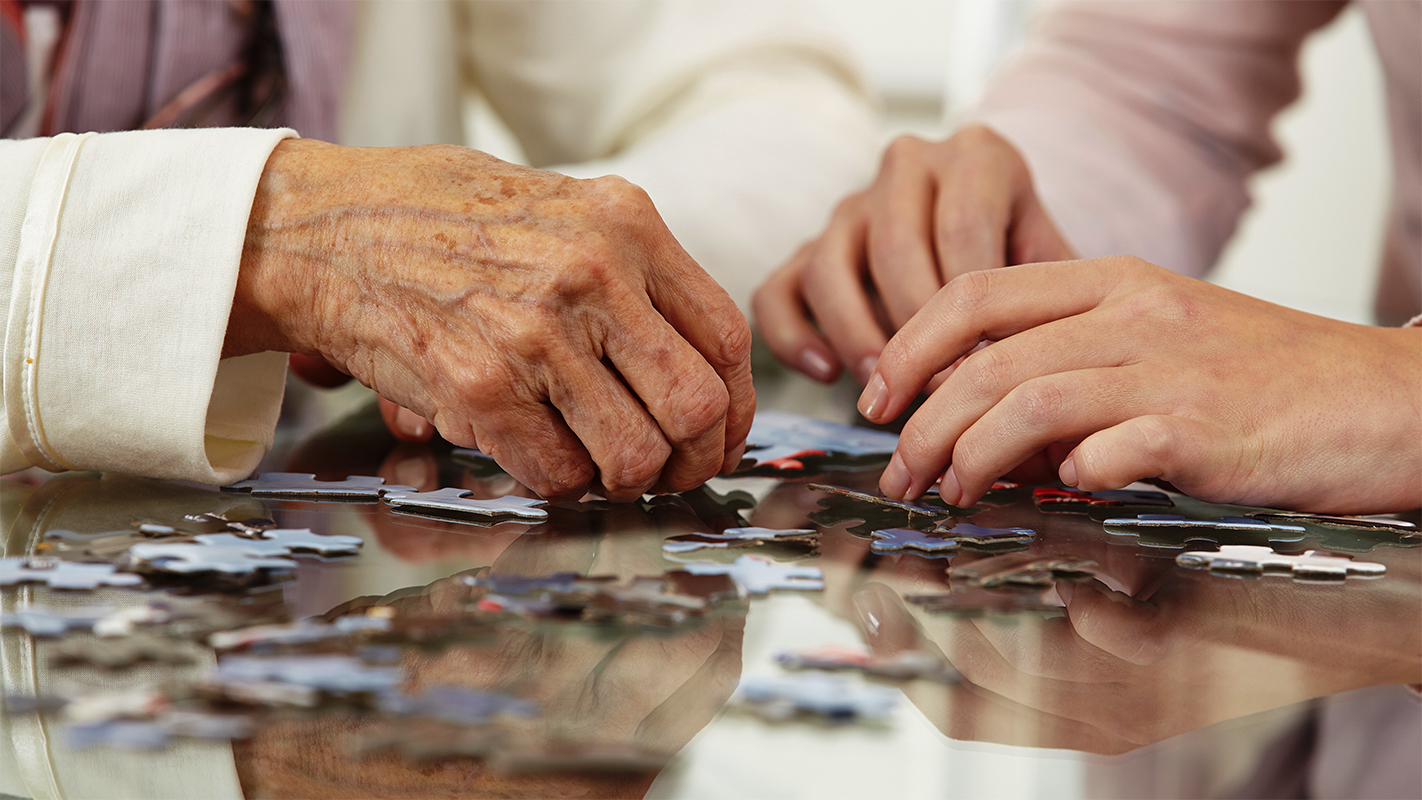
The day-to-day flow of a little memory care home likewise tends to be less fragmented. Instead of arranged "activities" in activity rooms, life itself becomes the activity. Folding linens at the kitchen area table, stirring cookie dough with staff guidance, watering a planter on the outdoor patio, stacking napkins before meals. These are manageable jobs that feel genuine, not staged entertainment.
A compact setting likewise makes it simpler to organize personnel so that somebody is constantly present in the typical area, not hidden in an office or nursing station. For residents vulnerable to wandering or pacing, that constant, calm existence is important. Gentle redirection occurs early, when a resident first heads towards the incorrect door, not later on when they are already agitated.
This does not indicate that every person with dementia will choose a small home. Some people, especially in earlier phases, delight in the energy and variety of a larger memory care community. The point is choice. When you comprehend how sensitive a specific individual is to sound, mess, and unpredictability, you can much better match them to an environment that supports staying abilities instead of constantly tough them.
Respite care: testing the waters in a smaller setting
Respite care offers momentary stays for older grownups who generally deal with family. It offers caretakers a break and permits healing after hospitalizations or health problems. A brief respite stay in a compact home can work as a low pressure method to experience assisted living or memory care.
Families typically stress that their loved one will feel "lost" or abandoned if they go into respite. In a big neighborhood, that fear is not unproven. New locals need to learn structure layouts, schedules, and deals with, all within a brief time. For someone already tired or confused, this can be overwhelming.
In a smaller home, the change tends to be gentler. There are fewer individuals to meet, less regimens to memorize, and staff have more time to walk a brand-new resident through the day. I have seen respite guests who initially refused to leave the bed room gradually begin walking to the kitchen by themselves within a week, once they realized that everything they required was within a few steps.
Respite care in a compact setting is also important for families evaluating long term senior care options. Spending two or 3 weeks observing personnel interactions, mealtimes, and life gives a more honest image than any tour. If the respite guest returns home, the family now has a concrete standard: this is what a little setting seemed like, this is how rapidly staff learned our relative's peculiarities, this is how communication worked.
Daily rhythms: meals, sleep, and the quiet details
Quality of life for older adults is less about big events and more about the hundreds of small touchpoints that fill every day. Compact homes are particularly well suited to managing these information because less locals suggest more attention per person.
Meals often show the difference. In a large assisted living dining-room, personnel needs to move quickly. Orders are taken, plates provided, tables turned. Conversation between citizens can be abundant, however there is restricted space for the sticking around, unhurried feel of a family meal. Locals who eat gradually in some cases feel pressured. Those with moderate swallowing problems can be overlooked.
In a small home, meals resemble family dining. Locals typically see or smell food being prepared. The cook may be the exact same person who served breakfast the day previously. There is space for little improvisations, like slicing fruit differently for someone with arthritis or using an additional treat to a resident who tends to drop weight. Staff can notice how much everyone consumes without consulting multiple charts.
Sleep routines benefit too. Lots of older grownups wake throughout the night, whether from discomfort, incontinence, or longstanding routines. In a compact setting, night staff often know exactly who is most likely to be up at 2 a.m., and for what factor. They can plan appropriately: keeping a robe prepared, preparing a little treat, or using a warm beverage for somebody who becomes distressed in the dark. Due to the fact that the structure is little, a single team member can keep an eye on multiple rooms without relying completely on alarms or cameras.
Small information like preferred music, lighting levels, and chair positioning are easier to handle consistently too. For instance, placing a preferred chair so a resident can see both the front door and the tv can lower uneasyness in some people with dementia. In a home with 8 chairs to handle, that is basic. In a community with 80 homeowners in common areas, customized plans are much harder to maintain.
Safety, threat, and the truth of staffing
Families in some cases worry that smaller sized homes will have fewer resources for emergencies. The fact is more nuanced. Large centers often have more devices and on site management, but they likewise rely on more intricate staffing patterns. Compact homes, on the other hand, depend heavily on the quality of a small group and clear protocols.
From a security point of view, the small scale has a number of advantages. In an emergency situation, personnel can reach any resident rapidly because distances are short. Evacuations, whether for fire drills or genuine occurrences, include fewer individuals and fewer floorings. Personnel do not need to choose which of 3 stairwells to utilize or where a particular resident's room is in a long hallway.
Medication management can be more individualized too. The nurse or medication professional in a small home typically knows each person's medication history and adverse effects without checking out thoroughly from the chart. That does not replace organized checks, however it adds an additional layer of intuitive safety.
There are trade offs. A really little home with just one or 2 personnel on task during the night might have a hard time if two citizens require immediate assistance simultaneously. This is where regulative requirements and sensible staffing plans matter. When assessing any senior care alternative, households should ask comprehensive questions about personnel ratios by shift, back up prepare for emergencies, and how the home manages residents whose care requires increase.
A quick list can help frame those discussions when considering compact assisted living or memory care homes:
Ask about day and night staffing levels, and clarify whether personnel are awake overnight or allowed to sleep in between checks. Request examples of how the home handled a recent emergency, such as a fall, medical crisis, or power failure. Observe whether personnel appear rushed or able to invest a couple of unhurried minutes with homeowners during your visit. Review how medications are purchased, saved, and administered, and who is accountable for oversight. Clarify what occurs if a resident's requirements intensify, and whether the home can adapt or would need a move.Compact homes that answer these concerns plainly and confidently typically provide an outstanding balance of intimacy and safety.
Social life: depth over breadth
One legitimate issue families raise about smaller settings is social variety. In a big assisted living community, locals can frequently choose from many activities and social circles: card games, exercise classes, spiritual services, lectures, and outings. A compact home will not use the same menu.
The question is how much range a specific resident in fact wants and can utilize. Lots of older adults do not take part in more than a handful of group activities even when they are offered. They might choose a couple of familiar companions over a crowd, particularly if they have hearing loss, mobility challenges, or memory issues.
In compact homes, social life tends to center on shared meals, casual discussion, and little, repeatable activities. Personnel play a vital role, not as entertainers, but as people who seed interactions. Sitting with 2 residents who may get along and triggering an easy discussion. Bringing out photo albums or familiar music. Helping somebody phone a remote relative.
I as soon as viewed a caregiver in a 6 bed home quietly nurture a friendship between 2 citizens: a retired teacher and a retired curator. They both liked poetry, but each was at first shy in group settings. Over a number of days, the caregiver asked, one at a time, about favorite books. That caused a afternoon where they took turns reading short poems aloud at the cooking area table. It was a small minute, however for those women it offered continuity and significance that no bingo calendar might match.
For some people, particularly more youthful elders who are still driving or participating in outdoors clubs, a larger community's social calendar will be better. The key is honest evaluation: does the individual flourish on novelty and frequent big group occasions, or do they value predictability and intimate connection?
Family participation: much easier when the door feels open
One underappreciated benefit of compact senior care homes is the ease of household participation. Families frequently report that going to a little home feels more like going to a relative's house than getting in an organization. The atmosphere can subtly motivate longer, more unwinded visits.
Practical barriers are less. Parking is typically near the front door. There are no multi action check ins or keycard elevators to browse. When a family member walks in, they typically see their loved one within seconds, instead of requiring to locate them in a large building.
Communication can likewise be more fluid. In a compact home, a child might sound the doorbell and discover the same caretaker who responded to the phone about her father's new medication the day in the past. Updates and questions become a continuous conversation rather of a series of detached calls to different departments.
This openness advantages staff too. When families are present in a workable way, they can offer context that enhances care: lifelong regimens, food dislikes, spiritual needs, and triggers for anxiety. In a little home, it is sensible for the whole team to absorb and act on that understanding, not just the nurse manager.
Of course, boundaries still matter. Personnel need time and space to finish jobs, and some families accidentally interrupt regimens by treating the home as completely their own. Experienced compact homes develop clear expectations about visiting hours, shared areas, and personal privacy, then interact those expectations plainly.
Cost, regulation, and sensible expectations
No model of senior care is perfect, and compact homes are no exception. Expenses differ extensively by region, however smaller sized homes can in some cases be more expensive per resident than bigger centers due to the fact that they have fewer beds to spread out set expenses. On the other hand, they often have lower overhead and less features that need upkeep, which can offset expenses.
Regulatory frameworks likewise vary. In some jurisdictions, residential care homes fall under the exact same policies as big assisted living and memory care communities. In others, they operate under separate licensing categories with distinct staffing requirements and maximum resident counts. Households must require time to comprehend what licensure implies in their area, considering that terms like "board and care" or "personal care home" can mask considerable differences.
Realistic expectations are crucial. A compact home can not offer the complete range of services that a skilled nursing center or healthcare facility deals. Homeowners with highly intricate medical needs, such as those needing regular intravenous treatments or ventilator support, will normally require more extensive settings. The strength of smaller sized homes lies in relationship based care for people who need assistance with everyday living, supervision, and consistent assistance, not advanced medical interventions.
When expectations line up with what the home can deliver, satisfaction tends to be high. Households report that they feel recognized, that their questions are answered quickly, and that their loved one is not just a room number on a census sheet.
Matching the person to the place
The little home model for senior care, consisting of assisted living, memory care, and respite care, rests on a simple idea: individuals do much better when they reside in environments scaled to their abilities, choices, and need for connection. For many older grownups, specifically those who tire quickly, end up being puzzled in big crowds, or worth quiet regimens, a compact setting fits that description.
That does not indicate every little home is excellent or every large community is impersonal. Quality depends on leadership, staff training, culture, and openness. The size of the building, however, highly forms what is reasonably possible day after day.
When households face the difficult task of selecting elderly care, it assists to look beyond marketing materials and picture the smallest systems of life: how breakfast unfolds, who notifications if somebody avoids a meal, how rapidly aid shows up when a resident stands unsteadily from a chair, whether staff bear in mind that a particular individual dislikes peas or prefers showers at night.
Compact senior care homes are developed for that level of attention. They are not right for everybody, but for the locals who require them, small really can be beautiful.
BeeHive Homes Assisted Living provides assisted living care
BeeHive Homes Assisted Living provides memory care services
BeeHive Homes Assisted Living provides respite care services
BeeHive Homes Assisted Living offers 24-hour support from professional caregivers
BeeHive Homes Assisted Living offers private bedrooms with private bathrooms
BeeHive Homes Assisted Living provides medication monitoring and documentation
BeeHive Homes Assisted Living serves dietitian-approved meals
BeeHive Homes Assisted Living provides housekeeping services
BeeHive Homes Assisted Living provides laundry services
BeeHive Homes Assisted Living offers community dining and social engagement activities
BeeHive Homes Assisted Living features life enrichment activities
BeeHive Homes Assisted Living supports personal care assistance during meals and daily routines
BeeHive Homes Assisted Living promotes frequent physical and mental exercise opportunities
BeeHive Homes Assisted Living provides a home-like residential environment
BeeHive Homes Assisted Living creates customized care plans as residents’ needs change
BeeHive Homes Assisted Living assesses individual resident care needs
BeeHive Homes Assisted Living accepts private pay and long-term care insurance
BeeHive Homes Assisted Living assists qualified veterans with Aid and Attendance benefits
BeeHive Homes Assisted Living encourages meaningful resident-to-staff relationships
BeeHive Homes Assisted Living delivers compassionate, attentive senior care focused on dignity and comfort
BeeHive Homes Assisted Living has a phone number of (970) 628-3330
BeeHive Homes Assisted Living has an address of 2395 H Rd, Grand Junction, CO 81505
BeeHive Homes Assisted Living has a website https://beehivehomes.com/locations/grand-junction/
BeeHive Homes Assisted Living has Google Maps listing https://maps.app.goo.gl/RUQvVGqDERBajnuR8
BeeHive Homes Assisted Living has Facebook page https://www.facebook.com/BeeHiveHomesOfGrandJunction/
BeeHive Homes Assisted Living won Top Assisted Living Homes 2025
BeeHive Homes Assisted Living earned Best Customer Service Award 2024
BeeHive Homes Assisted Living placed 1st for Senior Living Communities 2025
People Also Ask about BeeHive Homes Assisted Living
What is BeeHive Homes Assisted Living of Grand Junction monthly room rate?
At BeeHive Homes, we understand that each resident is unique. That is why we do a personalized evaluation for each resident to determine their level of care and support needed. During this evaluation, we will assess a residents current health to see how we can best meet their needs and we will continue to adjust and update their plan of care regularly based on their evolving needs
What type of services are provided to residents in BeeHive Homes in Grand Junction, CO?
Our team of compassionate caregivers support our residents with a wide range of activities of daily living. Depending on the unique needs, preferences and abilities of each resident, our caregivers and ready and able to help our beloved residents with showering, dressing, grooming, housekeeping, dining and more
Can we tour the BeeHive Homes of Grand Junction facility?
We would love to show you around our home and for you to see first-hand why our residents love living at BeeHive Homes. For an in-person tour , please call us today. We look forward to meeting you
What’s the difference between assisted living and respite care?
Assisted living is a long-term senior care option, providing daily support like meals, personal care, and medication assistance in a homelike setting. Respite care is short-term, offering the same services and comforts but for a temporary stay. It’s ideal for family caregivers who need a break or seniors recovering from surgery or illness.
Is BeeHive Homes of Grand Junction the right home for my loved one?
BeeHive Homes of Grand Junction is designed for seniors who value independence but need help with daily activities. With just 30 private rooms across two homes, we provide personalized attention in a smaller, family-style environment. Families appreciate our high caregiver-to-resident ratio, compassionate memory care, and the peace of mind that comes from knowing their loved one is safe and cared for
Where is BeeHive Homes Assisted Living of Grand Junction located?
BeeHive Homes Assisted Living of Grand Junction is conveniently located at 2395 H Rd, Grand Junction, CO 81505. You can easily find directions on Google Maps or call at (970) 628-3330 Monday through Sunday Open 24 hours
How can I contact BeeHive Homes Assisted Living of Grand Junction?
You can contact BeeHive Homes Assisted Living of Grand Junction by phone at: (970) 628-3330, visit their website at https://beehivehomes.com/locations/grand-junction, or connect on social media via Facebook
Residents may take a trip to the Colorado National Monument The Colorado National Monument offers scenic overlooks and accessible viewpoints that make it a rewarding outdoor destination for assisted living, memory care, senior care, elderly care, and respite care outings.